Short answer: if you keep cars for six years or more, buying is usually cheaper in Ontario. Leasing wins when you want a new car every three or four years, you drive under about 20,000 km a year, and the manufacturer is offering a low lease rate. The HST rules make leasing look cheaper month to month, but you're paying for the years you use, nothing more.
"Should I lease or buy?" is one of the first questions I get on calls, usually from someone in Toronto or the GTA looking at a $40,000–$60,000 SUV. The answer depends on three things: how long you keep cars, how much you drive, and what rate you can get. Here's how I run it.
How does leasing work in Ontario?
A lease is paying for the part of the car you use. The lender sets a residual, which is what they expect the car to be worth at the end of the term. Your payment covers the drop from the selling price to that residual, plus a finance charge. The finance charge is set by the money factor, which is just the interest rate divided by 2,400. A 4.99% lease rate is a money factor of about 0.00208.
At the end you hand the car back, or you buy it for the residual. Most leases here run 36–48 months with 16,000–24,000 km a year. Go over and you pay per kilometre when you return it.
How does HST work on a lease vs a purchase?
This is the part most people find confusing, so here it is plainly. When you buy, you pay 13% HST on the whole price up front, whether you pay cash or roll it into a loan. When you lease, you pay 13% HST on each monthly payment instead. If you buy the car out at the end, you pay HST on the buyout price then.
So leasing doesn't avoid tax. It spreads it out, and you only pay it on the part of the car you use. That's a real advantage if you never buy the car out. One thing to know: in Ontario, when you trade a car in at a dealer, HST on your next car is charged on the price after the trade-in. That helps buyers who trade in, and it applies to a new lease too if you bring a trade.
What does it cost on a $45,000 SUV?
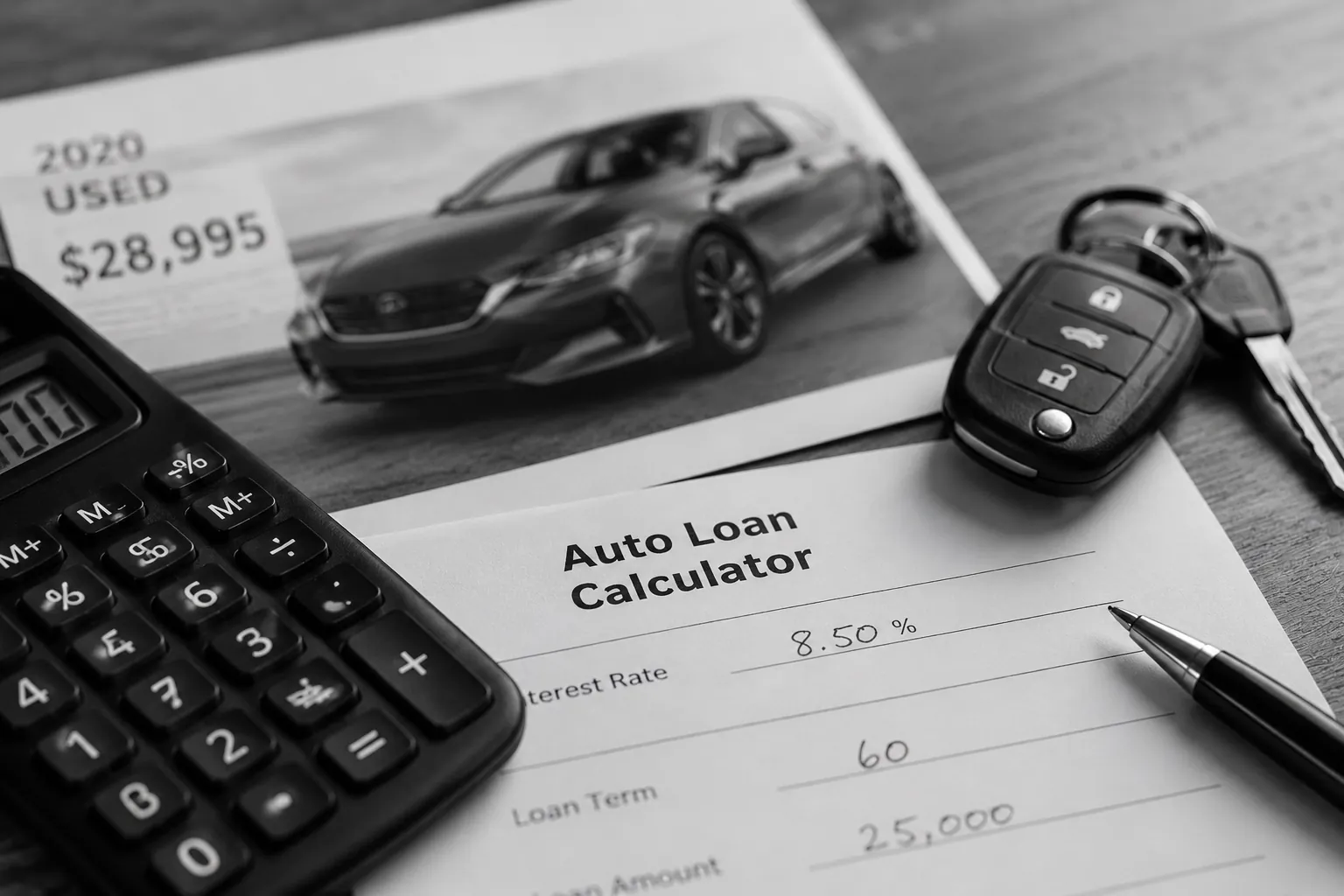
Here's a simple comparison. The numbers are illustrative, not a quote, but the math is real. Assumptions: a $45,000 SUV (all-in price before tax), 13% HST, no down payment, 20,000 km a year, and the car worth 55% of its price after four years ($24,750). The lease uses a 4.99% promotional rate, which is common on new cars. The loan uses 6.99% over 72 months, which is typical when there's no promo.
| Option | Monthly | Paid over 4 years | 4-year cost |
|---|---|---|---|
| Lease, 48 months at 4.99% | $641 | $30,748 | $30,748 (you hand the car back) |
| Finance, 72 months at 6.99% | $867 | $41,602 | $36,211 (you still owe $19,360 on a car worth $24,750) |
| Cash | $50,850 up front | $50,850 | $26,100, plus interest that money could have earned |
Over four years, the lease beats financing here, mostly because the lease rate is lower and you only pay HST on what you use. If the loan were also at 4.99%, the four-year cost of financing drops to about $33,200. The gap narrows but the lease still comes out ahead over a short hold.
Now stretch it to eight years. Two back-to-back leases cost about $61,500. Financing once at 6.99% and keeping the car eight years costs about $51,200, assuming it's worth around $11,250 at the end. Paying cash costs about $39,600 plus the interest you gave up. The longer you keep a car, the more buying wins. That's the whole argument in one line.
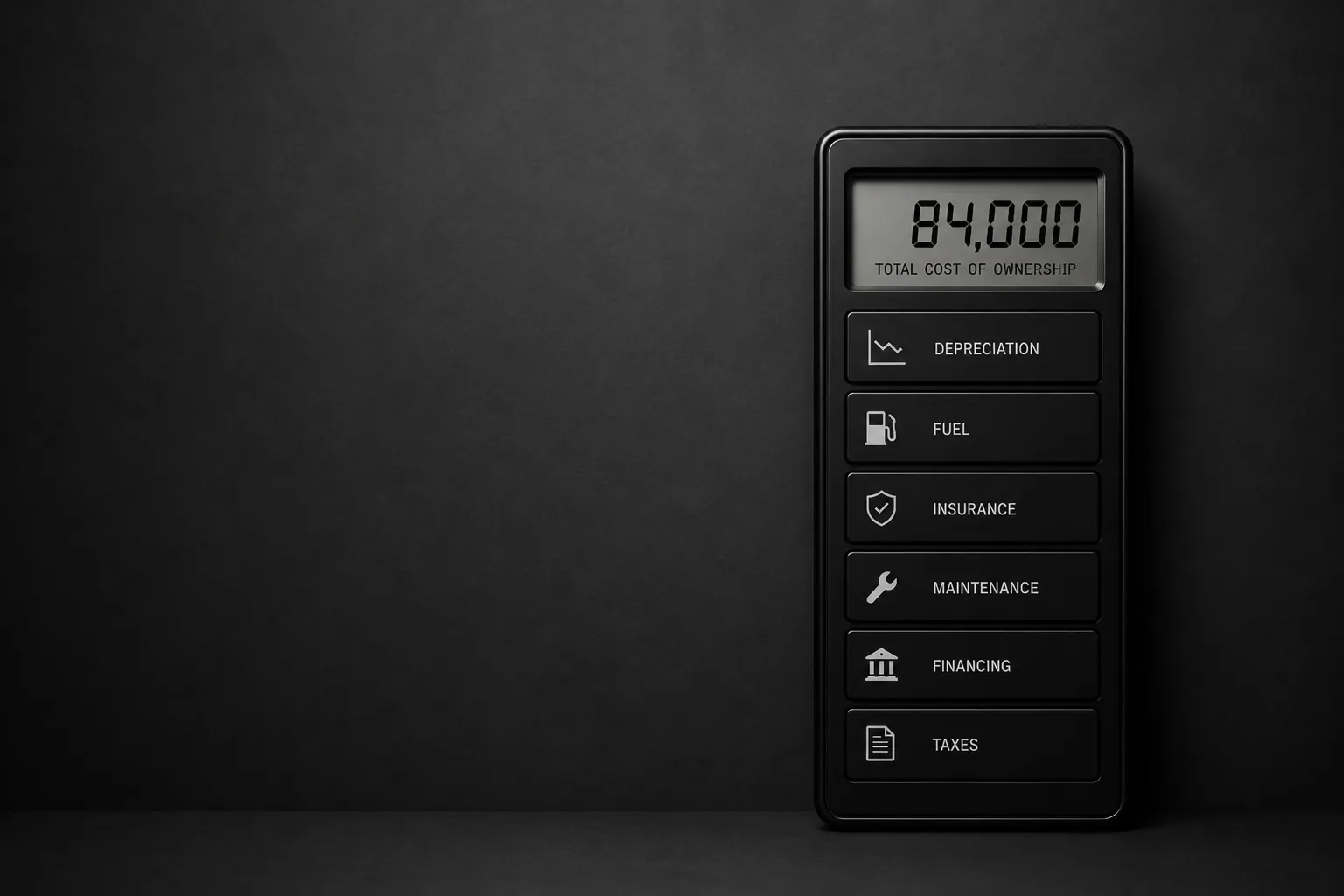
Want to run your own numbers? The cost of ownership calculator handles HST, financing and depreciation for any two cars.
What about interest rates in 2026?
Rates matter more than anything else in this comparison. In my experience this year, manufacturer lease and finance promos on new cars often sit between 0% and 5%, while a regular bank or credit union loan is usually higher, and used-car loans higher still. I wrote about how that changed the used-car math in how high interest rates broke used-car logic. Always check the current offers on the incentives page before you decide. A 0.99% lease promo can flip the answer.
Can you lease an EV and still get the rebate?
Yes. The federal Electric Vehicle Affordability Program (EVAP) covers leases of 12 months or more. A 48-month lease gets the full amount, which is $5,000 on an eligible battery-electric car in 2026. Shorter leases get a prorated share: 75% on 36 months, 50% on 24 months. Ontario has no provincial rebate, so the federal amount is what you get here. See Transport Canada's EVAP overview for the rules.
Leasing an EV also has a side benefit. EV values have been dropping quickly, and with a lease that risk sits with the lender, not you. If the car is worth less than the residual in four years, you just hand it back.
What are the catches with leasing?
- Kilometres. Overage charges in Canada usually run 6–25 cents a kilometre. Drive 5,000 km a year over a 20,000 km allowance for four years and that's about $3,000 at 15 cents. If you know you'll drive more, buy the extra kilometres up front.
- Wear and tear. Dents, curbed wheels and worn tires get billed at return. Get a pre-return inspection so you can fix things yourself for less.
- Getting out early. Ending a lease early with the lessor usually costs thousands. A lease takeover through a site like LeaseBusters is often cheaper. Check your contract for transfer fees and whether you stay on the hook if the new person stops paying.
- Insurance. Lessors often require higher liability limits than you'd pick yourself. Get a quote before you sign, especially in the GTA, where rates are already high.
So who should lease and who should buy?
Lease if you like a new car every three or four years, you drive under 20,000 km a year, the car has a good promo rate, or it's an EV and you don't want to guess its value in 2030. Leasing also makes sense if you use the car for business, though talk to your accountant about that.
Buy if you keep cars six years or longer, you drive a lot (common if you commute from Barrie, Oshawa or Hamilton into Toronto), you want to modify the car, or you hate being careful about scratches. Paying cash or financing at a low rate and keeping the car a long time is still the cheapest way to own a car.
One more thing. Whichever you pick, negotiate the selling price before you talk about monthly payments. A lease payment is built on the selling price, and dealers know most people only look at the monthly number. That's where the money gets lost.
Quick answers
Is it better to lease or buy a car in Ontario?
If you keep cars six years or longer, buying usually costs less overall. Leasing makes more sense if you want a new car every three to four years, drive under about 20,000 km a year, and can get a low promotional lease rate.
Do you pay HST on a car lease in Ontario?
Yes. In Ontario you pay 13% HST on each lease payment instead of on the full price up front. Over a lease you pay tax on the part of the car you use, and you pay HST on the buyout price if you keep the car at the end.
Can you get the federal EV rebate on a lease?
Yes. Under EVAP, leases of 12 months or more qualify, and a 48-month lease gets the full amount. Shorter leases get a prorated share: a 36-month lease gets 75% and a 24-month lease gets 50%.
What happens if I go over my lease kilometres?
You pay a per-kilometre charge when you return the car. In Canada it's usually somewhere between 6 and 25 cents a kilometre, and the exact rate is in your contract. If you know you'll drive more, buy extra kilometres up front because they're cheaper then.
Can I get out of a car lease early in Ontario?
You can, but ending a lease early with the lessor usually costs thousands. A lease takeover, where someone else takes over your payments through a site like LeaseBusters, is often cheaper. Check your contract for transfer fees and whether you stay liable.
Also on the journal: EV charging in a Toronto condo · how high rates broke used-car logic

Founder of Carsmenskii. BMW Group Canada Aftersales 2018–2021. Runs the lease vs buy math for clients across Toronto and the GTA, and negotiates the lease terms when leasing wins. Book a 15-min call if you want it run on your car.