Short answer: for a Toronto winter, a reliable car on four proper winter tires matters more than all-wheel drive. If you want AWD, a used Toyota RAV4, Mazda CX-5 or Subaru Forester is the safe pick. Before you buy anything used in Ontario, check it for salt rust and get an insurance quote, because some of the best winter cars are also the most stolen.
Do you need AWD, or are winter tires enough?
For most people living in Toronto, winter tires are enough. The city plows and salts its main roads quickly, and most of your winter driving is on wet, slushy pavement. What keeps you out of trouble there is stopping and turning, and that's all about the tires.
AWD helps you get moving. It doesn't help you stop. An AWD SUV on worn all-seasons will pull away from a light nicely and then slide through the intersection just like any other car. Transport Canada's own testing found that winter tires on all four wheels can cut braking distance by up to 9 metres compared with all-seasons in winter conditions. That's roughly two car lengths.
Where AWD earns its keep:
- You live north of the city, in places like Newmarket, Caledon or Uxbridge, where roads get plowed later.
- You park on a steep street or have an unplowed driveway.
- You drive to cottage country or ski hills most weekends.
If none of that is you, a front-wheel-drive Civic, Corolla or Mazda3 on good winter tires is a perfectly good Toronto winter car, and it costs less to buy, fuel and insure than an AWD crossover.
There's also money in it. Since January 1, 2016, every insurer in Ontario has had to offer a discount if you run winter tires. Each insurer sets its own amount, usually 2–5%. You need a full set of four tires with the three-peak mountain snowflake symbol, so tell your broker when you put them on.
Which used cars are best for an Ontario winter?
Here's the shortlist I start from for GTA clients. The price ranges are rough, based on what I see in GTA listings for clean, reasonable-mileage examples. They move every month, so treat them as a starting point and check current listings.
| Budget | What I'd look at | Why |
|---|---|---|
| Under $20,000 | Honda Civic or Toyota Corolla (2016–2019), Subaru Impreza AWD (2017–2019), older Toyota RAV4 (2014–2016) | Cheap to run and fix. Put the savings into winter tires. |
| $20,000–$35,000 | Toyota RAV4 AWD, Mazda CX-5 AWD, Subaru Forester or Outback, Toyota Camry AWD (roughly 2019–2022) | The sweet spot for a winter-capable daily. Reliable and easy to service anywhere in the GTA. |
| $35,000 and up | Toyota RAV4 Hybrid, Mazda CX-50, Subaru Outback XT, Toyota Highlander | More room or more power. Check theft risk and insurance first on the Toyotas. |
A few notes on the list. Subaru has the best AWD system in this group, but older Subarus need a careful look at head gaskets and oil use, depending on the engine. The Mazda CX-5 is the one I'd pick if you enjoy driving. The Camry AWD is a good choice if you don't want an SUV at all. The Honda CR-V is as good as anything here, and I've left it off the main list only because of theft, which I'll get to next.
If you're stuck between a few of these, that's exactly what The Match is for. For $99 I'll send you a shortlist that fits your commute, your parking and your budget. Or try the free 60-second quiz first.
Why does theft matter so much in the GTA?
Because it changes what the car really costs you. The GTA has been the centre of Canada's car theft problem for a few years, and thieves go after exactly the cars that make good winter vehicles. In Équité Association's latest report, the Honda CR-V was the most stolen vehicle in Ontario, and the Honda Civic and Lexus RX were also near the top. Toyota's SUVs, including the Highlander and RAV4, have been on the list for years.
Thefts in Ontario did drop in 2025, but insurers still price these models higher, and some ask for a tracking device before they'll cover them. Before you commit to any used SUV in the GTA, get two or three real insurance quotes on the exact model and year. On some cars the difference is hundreds of dollars a year, and that can easily wipe out a good purchase price.
How do you check a used car for salt rust?
Ontario's road salt is hard on cars, and a clean-looking body can hide a rotten underside. Before the test drive, get down with a flashlight and look at:
- Rocker panels and the bottom edges of the doors and tailgate
- Rear wheel arches and the area behind the rear wheels
- Subframes, suspension mounts and the exhaust
- Brake lines and fuel lines, which can rust through on older cars
Light surface rust on bolts and exhaust parts is normal here. Flaking metal, bubbling paint or fresh black undercoating sprayed over everything is a warning sign. An annual oil spray like Krown is common in Ontario, and a car that's had it every year is usually in much better shape underneath. Ask the seller for receipts.
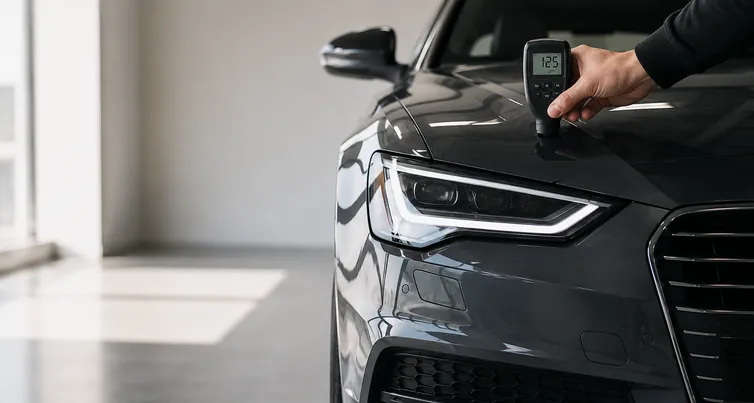
The only way to see everything is on a hoist. I always recommend a pre-purchase inspection, and my 142-point checklist gives your mechanic a list to work through.
While you're at it, check for a block heater and remote start. Neither is essential in Toronto, where it rarely drops much below -20°C, but a block heater helps on the coldest mornings and remote start is nice to have from January to March.
What about a used EV in a Toronto winter?
A used EV can work well here if you can charge at home. Expect less range in winter, often 20–40% less in real cold depending on the car and how you use it. A heat pump and the ability to warm the battery while plugged in make a big difference. Battery health matters more than mileage on a used EV, so get a battery report before you buy. I cover winter range by model in the Canadian EV Buyer's Bible.
Quick answers
Do you need AWD to drive in Toronto?
No. Toronto gets plowed quickly and most winter driving here is on salted city streets and highways. A front-wheel-drive car on four good winter tires handles a Toronto winter well. AWD helps you get moving in deep snow, on hills and in unplowed driveways, so it's worth having if you live north of the city, drive to cottage country or park on a steep street.
Are winter tires worth it in Ontario?
Yes. Transport Canada's testing found winter tires on all four wheels can shorten braking distance by up to 9 metres compared with all-seasons in winter conditions. Ontario insurers have also been required to offer a winter tire discount since 2016. The amount is set by each insurer and is usually 2–5%, and you need a full set of four tires with the three-peak mountain snowflake symbol.
What is the best used SUV for an Ontario winter?
For most people I'd look at a Toyota RAV4, Mazda CX-5 or Subaru Forester with AWD, on a set of winter tires. They're reliable, easy to service in the GTA and hold their value. The Honda CR-V is just as good to drive, but it has been Ontario's most stolen vehicle, so get an insurance quote before you buy one.
How do I check a used car for salt rust?
Look underneath with a flashlight before you test drive. Check the rocker panels, rear wheel arches, subframes, brake and fuel lines, and the bottom of the doors and tailgate. Surface rust on bolts is normal in Ontario. Flaking metal, bubbling paint or fresh undercoating sprayed over rust is not. A pre-purchase inspection on a hoist is the only way to see it all properly.
Also on the journal: buying a used car privately in Ontario · Ontario dealer fees to refuse

Founder of Carsmenskii. BMW Group Canada Aftersales 2018–2021. Toronto-based, and has driven through more GTA winters on the wrong tires than he'd like to admit. Book a 15-min call if you want help picking a winter car.